LACICauseAndEffectPhotoStory3.htm
Many classrooms still do not have computers, so the media specialist and or computer lab teacher have the chance to create high interest assignments such as Photo Story to capture student interest and give them the chance to practice their skills and display their knowdedge of a particular subject. As students create a cause and effect Photo Story, they produce a Photo Story that depects at least five cause and effect relationships which includes photos, texts, audio, and music.
Tuesday, July 21, 2009

Photo Story 3 tutorial
http://www.lessonplanspage.com/CIOPhotoStory3Tutorial612.htm
This tutorial is designed to assist a student in learning how to tell a digital story. I have used these mostly for social studies, however they can make meaningful projects for all subject areas. Students consider creating a photo story fun, therefore they practice and apply concepts they have learned witout feeling as if they are working!
This tutorial is designed to assist a student in learning how to tell a digital story. I have used these mostly for social studies, however they can make meaningful projects for all subject areas. Students consider creating a photo story fun, therefore they practice and apply concepts they have learned witout feeling as if they are working!
Media Literacy Interactive Game
http://pbskids.org/dontbuyit/buyingsmart/shoppingbag_1.html
PBS never fails as it consistently provides quality and meaningful learning activities that illustrate content and keep the student interested. This interactive game titled "Don't Buy It" gives the student "hands on" experience of the propoganda used in commercial advertising that is actually "false" advertising.
PBS never fails as it consistently provides quality and meaningful learning activities that illustrate content and keep the student interested. This interactive game titled "Don't Buy It" gives the student "hands on" experience of the propoganda used in commercial advertising that is actually "false" advertising.
Media Literacy
As students are "plugged in" to cell phones, the internet, and various electronics, they are bombarded with messages from the media. The library media specialist will play an important role in introducing "media literacy" into the curriculum and maintaining its status as an integral part of the school literacy program. Students must be taught how to read these messages and understand how they effect their decision making such as how they spend their money, what political candiate they vote for, and how they view themselves and the world around them. Media Literacy.org is an excellent site that includes meaningful lesson plans and a rationale for teaching media literacy
www.medialiteracy.org
www.medialiteracy.org
Monday, July 6, 2009
"Get Graphic at Your Library"

Capitalize on the popularity of graphic novels and comic books by choosing "Get Graphic at Your Library" as your back to school theme. Capture the interest and enthusiasm of your students with these posters and bookmarks available at The American Library Association store:
Multicultural Education
Multicultural education is built on the ideals of freedom, justice, equality, and human dignity as recognized in the United States Constitution and the Universal Declaration of Human Rights adopted by the United Nations. When schools teach multiculturalism, they demonstrate to the community that they value and affirm cultural differences. School curriculum should address issues of racism, sexism, classism, and religious intolerance. Multicultural education challenges all forms of discrimination through the promotion of democratic principles for all students. It helps students develop a positive self-concept by providing knowledge about culture and history of diverse groups of people. Schools that value multiculturalism include and embrace families and communities and create an environment that reflects our democratic values.
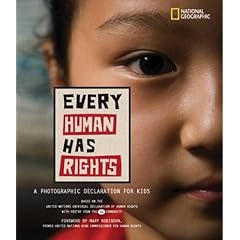
Every Human Being Has Rights: A Photographic Declaration for Kids. The book is based on The United Nations Universal Declaration of Human Rights and is published by National Geographic. The Universal Declaration of Human Rights is a document translated into over 330 languages that calls on all of us to work as hard as we can to guarantee a world of freedom and peace. The book grew out of National Geographic’s involvement with a group of statesmen that advocate global respect for human rights. The group of statesmen, The Elders, collaborated with the ePals online writing project to create the book. Each section of Every Human Has Rights contains a simplified statement of one of the thirty articles of the declaration, an ePals contest winner’s poem, and captioned photographs illustrating the right/freedom associated with the article from the declaration.
Monday, June 22, 2009
Make Your Own Comic
Looking for a way to entice your reluctant readers and writers? Introduce comic books and take advantage of the popularity and availability of graphic novels. Students can make their own comics at this website and it emphasizes tone and mood.
http://www.makebeliefscomix.com
http://www.makebeliefscomix.com
Subscribe to:
Posts (Atom)